
all Post
Turnkey Casino Setup: Build, Payments, Compliance, CRM
Turnkey Casino vs Turn Key Casino: Key Differences and When to Choose Each
I’ve seen “turnkey casino” and “turn key casino” tossed around like they’re the same. They’re not. Choose “turnkey” when the vendor delivers one packaged casino setup, ready to launch. If you’re assembling parts yourself, “turn key” reads like custom work.
Turnkey Bitcoin Casino Build: Platform Features for Crypto Gambling
I built a crypto casino on a turnkey bitcoin casino stack. Target 2-second bet confirmations for a smooth bitcoin casino feel.
- Pick one wallet: integrate BitGo or Coinbase Commerce, not three at once.
- Use instant on-chain confirmations via a service like Alchemy Notify.
- Set up hot-wallet limits and daily sweep rules to cold storage.
- Enforce KYC/AML at onboarding for every cryptocurrency casino account.
- Log every transfer with tx hash and user id for audits.
Turnkey Casino Website Development: UX, Game Integration, and Launch Readiness
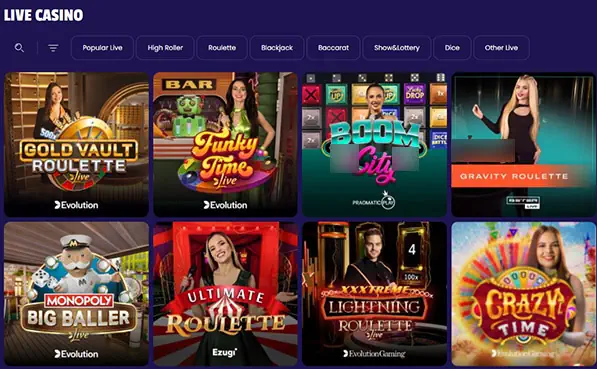
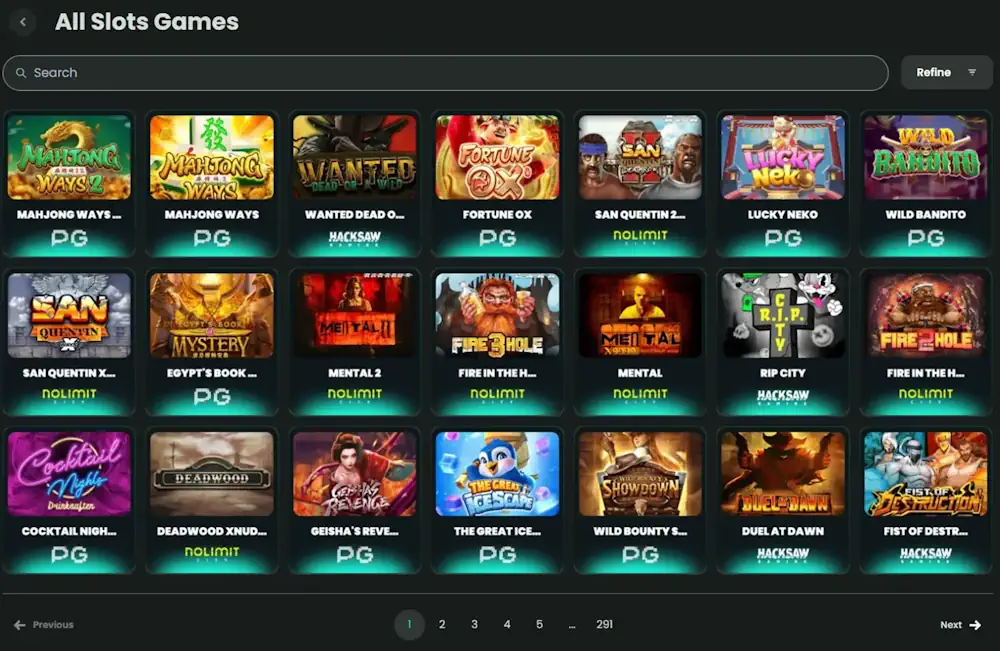
For a turnkey casino website, I care less about flash and more about game loading speed, smooth onboarding, and steady performance under peak traffic. After all, a strong casino website experience depends on reliable tooling and clear integration plans, so I review the provider’s approach to casino management system design and payment processing for casinos. If you want a practical starting point, https://turnkeycasino.cz/ is worth checking, because it can help you compare platform maturity with the features you actually need for an efficient casino launch.
| Brand | key specification | price range | your verdict |
|---|---|---|---|
| Spinomenal | HTML5 slot delivery | $500-$2,000/mo | Great if you want quick casino launch. |
| NetEnt (via partners) | live+slots catalog | $1,000-$5,000/mo | Strong polish, higher integration cost. |
| Pragmatic Play | slots and live studio | $300-$1,500/mo | Best value for casino game selection. |
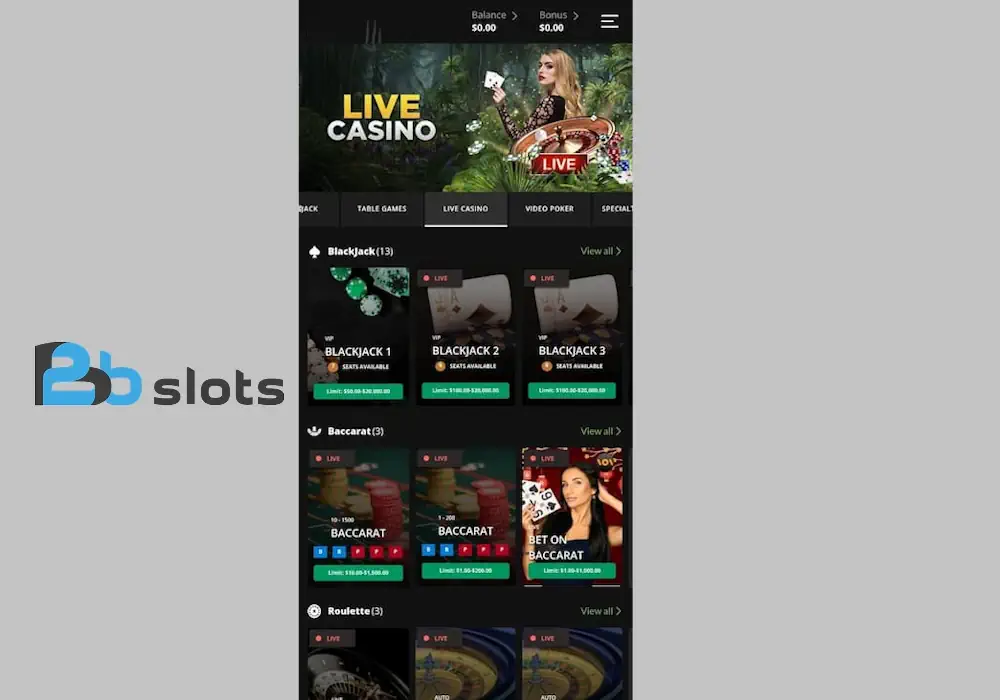
| Evolution | live roulette/blackjack | $2,000-$10,000/mo | Worth it for real-time live casino demand. |
White Label Casino Platform Comparison: Casino Software, Management Tools, and Admin Panel
I tried three white-label casino platforms in one month. Make sure the admin panel can manage player limits, chargebacks, and bonuses without custom dev. Some hide basic tools behind add-ons.
Online Gambling Platform Requirements: iGaming Platform Architecture and Scalability
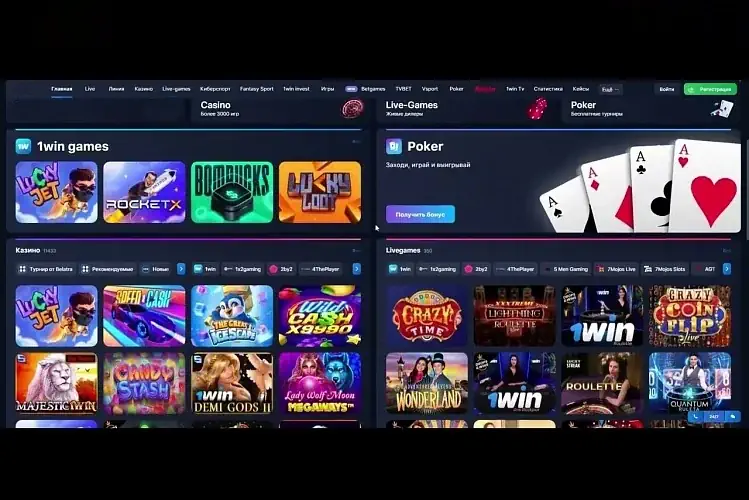
When traffic spikes, the architecture either holds up or it melts fast. Plan for 10,000 concurrent sessions before you open your casino launch. I’ve seen small builds crumble at half that.
I trust the platform that survives chaos tests more than I trust the demo data from any sales deck.
Regulated and Licensed Casino Setup: Compliance, Player Safety, and Operational Readiness
Licensing changed how I budgeted timelines for one regulated casino build. Budget 8-12 weeks for KYC/AML workflows and regulator paperwork.
- Choose a KYC vendor like Onfido and set ID+selfie checks before signup.
- Enable responsible gambling limits (deposit/time) with audit logs.
- Draft an incident runbook for payment failures and account locks.
- Set geo-blocking at the ISP level with periodic IP review.
Payment Processing for Casinos and Merchant Accounts: Funding, Withdrawals, and Risk Controls
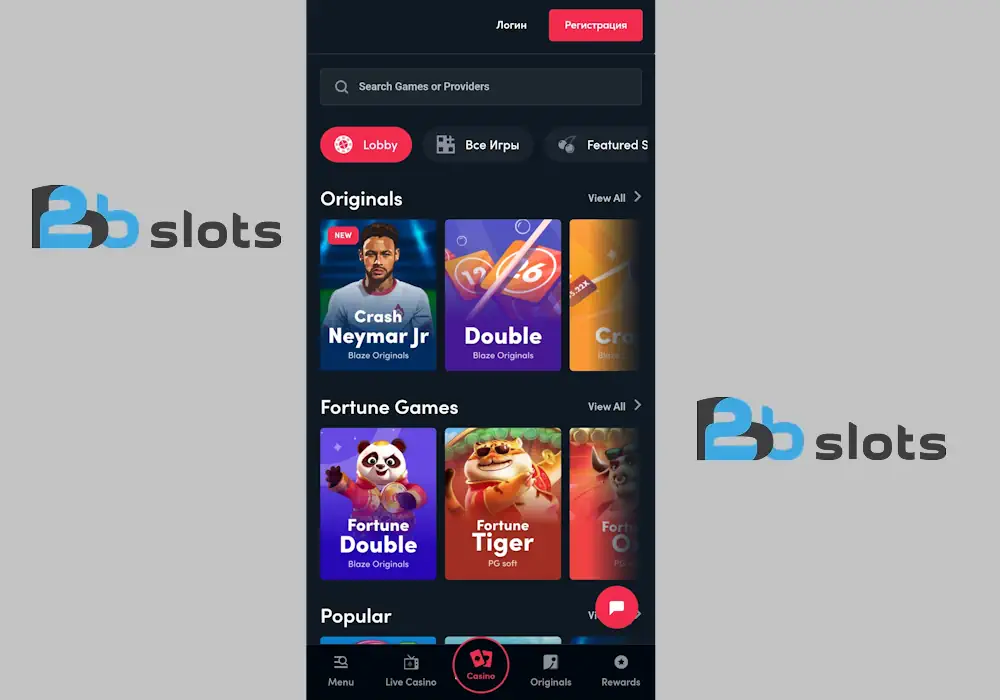
I’ve watched merchant accounts approve or reject you based on chargeback controls. Here are the numbers I used to sanity-check one payment processing for casinos setup.
| Provider | typical approval window | chargeback target | what I’d do |
|---|---|---|---|
| Stripe (restricted) | 1-7 days | <1.0% | Only if you have a clear compliance path. |
| Adyen | 2-4 weeks | <0.7% | Best for strict risk reviews. |
| Worldpay | 2-6 weeks | <1.5% | Use for multilayer payment coverage. |
| Crypto via BitPay | minutes | low fraud rules | Pair with wallet limits and KYC. |
Casino Game Selection and Aggregation: Game Aggregators, Slots, and Live Casino Content
I picked games the way I pick a flight: by reliability and schedule. Start with 200+ slots and at least 20 live tables/streams to look “real” fast. My best launch had Playtech+Pragmatic via a single aggregator.
Casino Management System and Player CRM: Player Tracking, Marketing Support, and Retention Tools
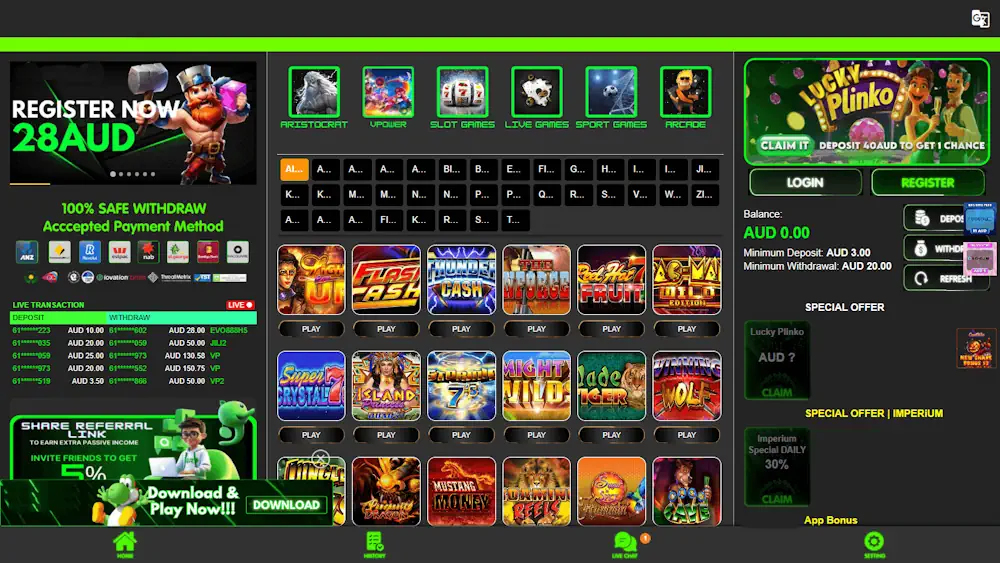
My retention improved once I stopped guessing and started segmenting. Use a casino CRM with campaign triggers tied to deposits, churn, and play intensity. The moment I ran VIP ladders, churn dropped after 30 days.
FAQ
Are “turnkey casino” and “turn key casino” really different?
Yes. I treat “turnkey casino” as packaged delivery for launch, while “turn key casino” often signals more custom work that you manage.
Which crypto features matter most in a turnkey bitcoin casino build?
Confirmation speed and audit-ready wallet controls. I also insisted on KYC/AML tied to every cryptocurrency casino account.
What should I test before casino launch?
Game integration performance, onboarding flows, and payment failures. In my tests, these surfaced issues that a demo never showed.
Do white-label casino platforms need a strong admin panel?
Absolutely. I wouldn’t accept tools that require custom dev for limits, bonuses, and chargeback handling.
How do payment providers affect merchant accounts?
Risk controls drive approvals and freezes. I aimed for chargebacks under 1% to keep processing stable.